1. Plan the response
The crew writes a plan covering the hazards, the gear and the route for waste. Questions from the owner are welcome at this stage.
Clemson University, SC · Pickens County
Did a container leak, break or get left behind at a Clemson University property? Keep people and pets away and call (877) 812-4220. Cleanup crews contain the spill, clean the area and package the waste for disposal.
If anyone is in danger, call 911 first. For a suicide crisis, call or text 988.
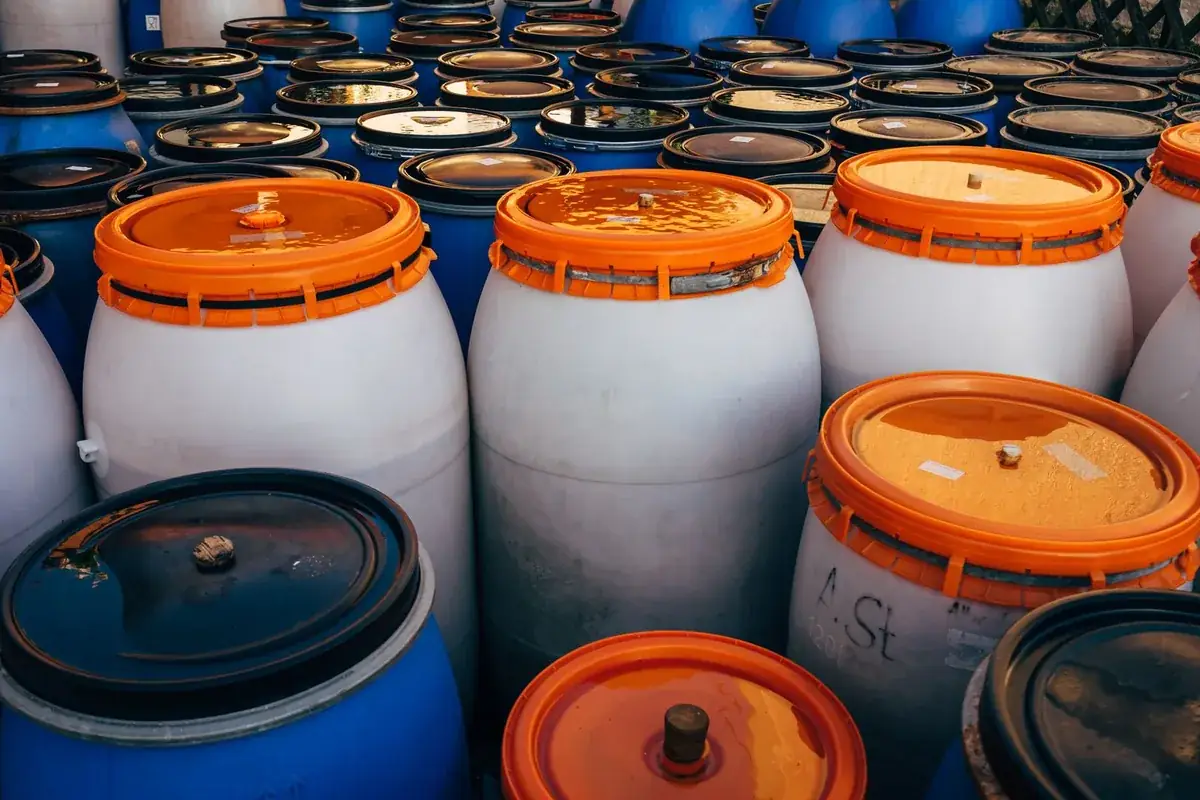
Hazardous material cleanup is the professional response to leaks, spills and abandoned products. It follows a plan that covers safety, containment, removal, cleaning and documentation of the waste.
Get chemical cleanup in Clemson University, SC after spills, leaks, move-outs and inheritances. Call Clemson University Biohazard Cleanup Help, and you get crews who keep people and pets out of the area and never mix products during the work.
Fewer homes in Pickens County sit empty, so chemical calls tend to come from occupied properties with leaking garage or shed containers. Clemson University receives about 52 inches of rain a year, and rain can wash spilled chemicals into yards, ditches and drains.
What chemical & toxic waste cleanup covers:
The crew writes a plan covering the hazards, the gear and the route for waste. Questions from the owner are welcome at this stage.
Products are separated by type, such as flammables, corrosives and poisons. Leaking containers are placed in secondary containment right away.
The spill is absorbed, contaminated items are removed and surfaces are cleaned. Odors and residue are treated according to the substance.
Different products are kept apart so that they cannot react. Waste is labeled and moved by the rules that apply to its type.
The cost of chemical & toxic waste cleanup in Clemson University, SC depends on the amount of material, how it is packed and how it is hauled.
Hauling and packaging count too. Drums, labels, secondary containers and transport are part of lawful waste handling and are priced into the job.
| Type of job | Typical range |
|---|---|
| Hazardous chemicals | $30 - $50 per barrel |
Figures are planning ranges from Fixr, not a price for any specific Clemson University property. Price drivers include type of chemical, amount, packaging and transport, disposal fees. Call (877) 812-4220 any hour.
Try the Clemson University Biohazard Cleanup Cost Calculator →
Get everyone away from the area, including pets. Call 911 if anyone is in danger, or Poison Control with exposure questions. Do not touch unknown containers or try to wash a spill away. Then call a cleanup team for next steps.
Yes. Many calls come from managers who find drums, jugs or unlabeled containers in a vacated unit. The lease and local law decide who pays, and the crew can provide photos and records.
Do not open, move or smell them. Keep people and pets away and take photos from a safe distance. A cleanup team can identify the contents, sort them by hazard and set up lawful disposal.
Common ones are paints, solvents, fuels, pesticides, pool chemicals, cleaning products, batteries and mercury. Crews also remove unlabeled containers once the contents are identified. Ask the team what it can handle for your site.
Biological hazards come from living things, such as bacteria, viruses and body fluids. Chemical hazards come from substances like solvents, acids, fuels and pesticides. They need different gear, products and disposal, and some jobs involve both.
Some do, but the work is different. Biohazard cleanup deals with blood, body fluids and germs, while chemical cleanup deals with harmful substances. Ask whether a team has the gear and procedures for the specific chemical before hiring it.
See all biohazard cleanup services in Clemson University, SC →
Questions about insurance, records or timing are welcome.
Call (877) 812-4220